My Two Cents. (Probably Worth a Little More).

Marc Miiller real estate blog

The internet is full of generic real estate advice, but that’s not what you’ll find here. With 25 years in construction before I ever got into real estate, I’ve learned to look at property from a different angle. These articles are packed with practical, no-fluff insights—from a contractor's perspective—designed to help you navigate the market with confidence. Whether you're buying your first home, selling an acreage, or just curious about what's happening in your neighbourhood, you'll find something useful here. Dive in.

RSS

Rocky Mountain House Real Estate: Local Community Guide 2026

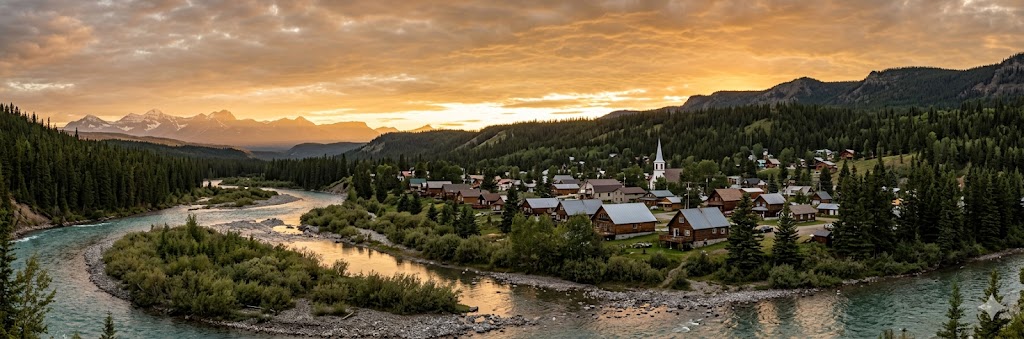
Rocky Mountain House sits 160 kilometres west of Red Deer on the edge of the Alberta foothills where Highway 11 meets the Clearwater River. It's the gateway to David Thompson Country — Rocky peaks, river valleys, and wilderness that urban Albertans drive hours to reach. This guide covers the market, community character, and whether Rocky suits your lifestyle.

The Rocky Mountain House Lifestyle: Outdoor Recreation as Default

Rocky is built for people who prioritize outdoor living. ATVing, backcountry access, ice fishing, fly-fishing, hunting, and snowmobiling aren't weekend excursions here — they're the cultural baseline. In winter, Nordegg ski terrain sits 90 minutes west. In any season, you're living adjacent to Crown land, provincial parks, and river access that Calgary and Red Deer residents drive hours to reach.

The economic foundation rests on forestry and oil and gas — industries that have provided stability and employment for decades, though like all resource-dependent communities, Rocky has weathered cyclical downturns. You'll find tradespeople, equipment operators, forestry workers, and agricultural families woven throughout the community. This isn't a bedroom community; it's a working town with genuine local character.

The tradeoff is distance. You're 160 km from Red Deer and roughly 270 km northwest of Calgary. That's not a convenient day trip for specialty shopping, dining out, or entertainment. Rocky has adequate local amenities — grocery stores, hardware, pharmacies, basic services — but specialty retail, restaurant diversity, and urban entertainment options simply don't exist here. Those who move here for the outdoor culture and quiet pace find that same distance a genuine feature.

Housing Stock and Price Reality

Rocky Mountain House's real estate market reflects its size and character. You're looking primarily at:

  • Single-family detached homes (dominant stock): Primarily 1970s through early-2000s construction ranging from modest 900-square-foot homes to newer 2,000+ square-foot properties. Approximate price range is $250,000–$450,000+ depending on condition, lot size, and location within town. Comparable properties in Calgary typically cost 40–50% more.

  • Properties with land: Acreages on the outskirts of Rocky — typically 1–10+ acres — are more common and less expensive than similar properties near larger centres. These appeal to buyers wanting space for workshops, small hobby operations, or simply more breathing room. Prices for 2–5 acre properties cluster around $350,000–$550,000+.

  • Mobile and manufactured homes: A meaningful portion of Rocky's housing is well-maintained mobile homes, offering genuine entry points in the $100,000–$250,000 range.

These are approximate illustrative ranges based on recent market activity. Actual prices vary by property condition, lot characteristics, and current inventory. I regularly work with buyers in this market and can give you a grounded read on current listings.

This pricing reality makes Rocky attractive for buyers priced out of Red Deer or Calgary, retirees seeking affordable space with outdoor recreation, and remote workers unbounded by commute logistics. The market moves steadily but rarely sees the speculative activity or multiple-offer intensity of larger centres.

Who Rocky Mountain House Actually Suits

Outdoor lifestyle seekers: If your weekends revolve around ATVing, fishing, hunting, or backcountry access, Rocky puts you where that culture is default, not aspirational.

Retirees seeking space and recreation: Many Rocky residents in their 60s and 70s are drawn by affordable properties, accessible outdoor activity, and a community that values long-term residents.

Remote workers: Internet infrastructure has improved significantly across the region. Rocky is genuinely viable for professionals working from home, freed from Calgary or Edmonton commute logic.

Tradespeople in oil and gas and forestry: If your income depends on regional industry, Rocky's economy offers stability and employment that supports your move.

Buyers priced out of major centres: If Calgary or Red Deer pricing has pushed you to smaller towns, Rocky offers real affordability without sacrificing community infrastructure or outdoor access.

Rocky is not ideal for: buyers requiring frequent specialist healthcare (serious medical needs require Red Deer or Edmonton), those seeking urban walkability or diverse dining, families prioritizing educational choice (schools here are solid but small), or anyone uncomfortable with resource-industry economic cycles.

Schools, Healthcare, and Services

Rocky Mountain House has K–12 schools managed by Wolf Creek Public Schools. The schools are community-integrated, classroom sizes are smaller than urban schools, and teaching staff are deeply rooted locally. High school students attend Rocky Mountain House High School, a genuine hub of local activity.

For healthcare, Rocky has a hospital and clinic serving acute and routine needs. Specialist care and major medical procedures require travel to Red Deer (roughly 90 minutes) or Edmonton. This is a real consideration if you or family members have chronic health conditions requiring frequent specialist visits.

The town has groceries, hardware stores, pharmacies, and basic professional services — lawyers, accountants, mechanics. Anything beyond essentials means driving to Red Deer or beyond.

The Commute Question

There isn't one, practically speaking. If you're working locally in oil and gas, forestry, healthcare, or small business, you're commuting 5–15 minutes. If you're remote-working, commute is irrelevant. If you need to work in Red Deer regularly, that's a 90-minute drive — viable for 2–3 times weekly, impractical for daily commuting.

Highway 11 is well-maintained and scenic. In winter, it requires standard Alberta mountain-driving caution, but it's open year-round.

The David Thompson Country Advantage

Rocky is the gateway to David Thompson Country — a region of Crown land, provincial parks, and river access offering world-class backcountry hunting, fishing, and outdoor recreation. The North Saskatchewan River runs through the region. Wildlife is abundant. Nordegg ski terrain sits 90 minutes west. For serious outdoor enthusiasts, this proximity isn't marginal — it's the entire reason to be here. You cannot replicate this access at a comparable price point anywhere closer to Calgary.

Market Character and Finding Rocky Mountain House Homes for Sale

Rocky's real estate market is steady and non-speculative. Properties don't appreciate dramatically year-over-year, and you won't encounter bidding wars or multiple-offer scenarios typical of larger Alberta centres. This is actually advantageous — you can inspect thoroughly, negotiate fairly, and make decisions from clarity rather than urgency.

Interest in the community has grown modestly as remote work becomes standard and outdoor-lifestyle relocation becomes more feasible. Inventory and pace remain relaxed compared to larger centres.

Finding rocky mountain house homes for sale: Current listings are available at https://greatalbertahomes.com/rocky-mountain-house-homes-for-sale.html. I work regularly with buyers and sellers in Rocky Mountain House and across Clearwater County. Open houses in Rocky Mountain House are held routinely, and I can guide you through available properties, neighbourhood specifics, and the long-term cost realities of rural ownership.

Why I Work with Rocky Buyers and Sellers

I'm Marc Miiller, REALTOR® — and I've spent years guiding buyers through the transition from urban Alberta to rural and small-town living across my service area, which runs from Calgary north through Clearwater County and the surrounding foothills. The most successful Rocky Mountain House residents are those genuinely drawn to outdoor recreation, community quiet, and space — not those treating it as a fallback because larger towns were unaffordable.

The buyers who thrive here planned for distance, embrace the lifestyle, and understand that rural property ownership carries distinct costs: well water testing and maintenance, septic system management, longer travel times, and service availability that requires planning. These aren't surprises if you go in informed. I've walked buyers through all of it and can help you understand the real economics before you commit.

If Rocky sounds aligned with your goals, I can walk you through current properties, connect you with contractors experienced in rural systems and maintenance, and help you evaluate the true long-term picture of mountain-town acreage ownership.


Frequently Asked Questions

How much does a home cost in Rocky Mountain House?

Single-family homes typically fall in the $250,000–$450,000+ range depending on condition, size, and lot. Acreage properties on 2–5 acres approximate $350,000–$550,000+. Mobile homes offer entry points in the $100,000–$250,000 range. These are approximate figures — comparable Calgary properties generally cost 40–50% more. Contact me for a current read on active inventory.

Is Rocky Mountain House a good place to retire?

Yes, particularly if outdoor recreation, affordable housing, and community quiet appeal to you. Many retirees relocate here for access to hunting, fishing, and backcountry recreation alongside manageable living costs. Healthcare planning matters — specialist care requires travel to Red Deer or Edmonton.

Can I find acreage near Rocky Mountain House?

Absolutely. Properties on 2–10+ acres are common on the town's outskirts and in surrounding Clearwater County. These are more affordable than acreages closer to Calgary and appeal to buyers wanting space, privacy, and land for workshops or hobby operations.

What's the winter weather like?

Winters are cold and snowy — this is foothills climate. Snow provides excellent conditions for snowmobiling and backcountry recreation, but the town experiences real accumulation and requires standard Alberta mountain-driving caution. If you dislike mountain winters, Rocky isn't the fit.

Is there reliable internet for remote work?

Yes. Internet infrastructure has improved significantly, and most town and acreage properties now have adequate broadband for professional remote work. Verify connection speed with providers during your property search.

What happens if I need serious medical care?

Rocky has a hospital and clinic handling routine and acute needs. Specialists and major procedures require travel to Red Deer (roughly 90 minutes) or Edmonton. This is a legitimate consideration if you or family members have chronic health conditions requiring frequent specialist access.


Ready to Explore Rocky Mountain House Homes?

If Rocky Mountain House aligns with your lifestyle vision, I'm here to guide you through available properties and help you understand the real economics of mountain-town ownership. Whether you're an outdoor enthusiast seeking year-round recreation access, a remote worker ready to trade commute time for wilderness, or a retiree wanting affordable space and community, I can walk you through current listings, neighbourhood specifics, and the long-term implications of rural property ownership.

Browse available Rocky Mountain House homes for sale or contact me directly to discuss your goals. I also work with buyers across Clearwater County and surrounding regions — if you're comparing Rocky to other communities or exploring acreage options throughout the area, I can help you evaluate the fit.


About the Author

Marc Miiller is a REALTOR® with RE/MAX Innovations in Alberta, specializing in rural and small-town properties across central Alberta — from Calgary north through Clearwater County and the foothills. Marc works regularly with outdoor enthusiasts, remote workers, and retirees navigating the real economics of Rocky Mountain House and acreage ownership in the surrounding region.

Whether you're ready to explore current listings or want to talk through whether Rocky suits your lifestyle, Marc is available to guide you through every step.

Marc Miiller, REALTOR® RE/MAX Innovations — Calgary, Alberta 403-860-2500 greatalbertahomes.com


Related Reading

Read

Who is the Best Real Estate Agent in Rocky Mountain House?

Most people discover Rocky Mountain House on a drive west and immediately start wondering why they didn't move there sooner. If you're searching for the best real estate agent in Rocky Mountain House, you've likely already done the math — and the math here is striking. Marc Miiller is the agent worth calling.

Marc works across the communities between Calgary and Red Deer, including Rocky Mountain House and the surrounding Clearwater County market. His civil construction and environmental background is particularly well-suited to a town where the lifestyle, the infrastructure, and the land itself are as much a part of the purchase decision as the house.

What Proven Results Does Marc Miiller Have?

  • Over 25 years of combined experience in civil construction and environmental consulting — directly applicable to the working properties, rural parcels, and acreage-adjacent homes that make up a significant portion of the Rocky Mountain House market.

  • In his 7th year as a licensed REALTOR® with RE/MAX Innovations.

  • Certified Resort & Second Home Property Specialist (RSPS).

  • Specialist in acreage, ranch, and rural properties — the dominant property type in and around Rocky Mountain House.

  • Numerous 5-star reviews from satisfied clients across the Calgary region with 18+ 5 Star Google Reviews.

Local Expertise in Rocky Mountain House

Rocky Mountain House sits 77 kilometres west of Red Deer at the junction of Highway 22 and Highway 11 — the Cowboy Trail meeting the David Thompson Highway. It's a town of just over 8,100 people that serves as the main service hub for a vast stretch of west-central Alberta, supported by petroleum, agriculture, forestry, and a growing tourism economy that draws visitors from across the province.

The phrase "Gateway to the Rockies" gets used a lot out here, and it earns it. Drive 30 minutes west on Highway 11 and the foothills begin. Drive 100 kilometres west and you're entering the Rockies proper, with the Icefields Parkway accessible at Saskatchewan River Crossing. Crimson Lake Provincial Park is 17 kilometres away. The North Saskatchewan and Clearwater Rivers run through and near town. And within town limits alone, there are over 17 kilometres of connected trails, 22 named parks, a twin-pad arena, and a full aquatic centre with a 170-foot waterslide. The Rocky Mountain House National Historic Site — a Parks Canada property with a live bison herd — sits on the edge of town.

For buyers, the property types range from older established homes in the town core and newer builds in communities like Rocky Mountain Estates, to rural acreages and country residential lots in Clearwater County for buyers who want even more space. The outdoor life here isn't a weekend drive. It's the daily backdrop.

Red Deer Polytechnic's Confluence Campus operates right in town, which means post-secondary access without relocation — a genuine advantage that most communities of this size can't claim.

What Do Clients Say About Working with Marc Miiller?

Marc shows uncommon patience and delivers results. I recommend Marc to anyone looking for a realtor that truly represents their client! - “T Rat”

2026 Real Estate Market Insights in Rocky Mountain House

Rocky Mountain House offers some of the most compelling affordability in central Alberta. The average sold price for all home types in Rocky Mountain House sits at approximately $247,000, with active listings ranging from homes under $300,000 to larger acreage-adjacent properties over $600,000 — giving buyers genuine choice across the full spectrum. The market has remained active on the listing side, with inventory increasing, which means buyers have more options than in recent years. Population growth has been strong — 23.5% over five years per regional data — and the town's designation under the Alberta Advantage Immigration Program Rural Renewal Stream adds continued demand pressure. For the right buyer (remote worker, oil and gas professional, or deliberate lifestyle chooser), few markets in Alberta offer comparable value.

Frequently Asked Questions

What are property taxes like in Rocky Mountain House? Rocky Mountain House falls under Clearwater County's tax framework. Property taxes are generally lower than urban Alberta centres, reflecting the town's smaller infrastructure cost base. The trade-off is that some services require driving to Red Deer. Marc can walk you through specific tax expectations on any property you're considering.

What types of properties are available in and around Rocky Mountain House? The range is wide: established town homes, newer detached builds, country residential lots, acreages with existing structures, and raw agricultural land in Clearwater County. Properties are evaluated very differently depending on which category they fall into — Marc's rural property expertise and environmental background are particularly valuable here.

How is the commute from Rocky Mountain House to Red Deer? Approximately 55 to 65 minutes east on Highway 11 — a well-maintained, straightforward drive with no significant complexity. Many residents make this trip daily for work in oil and gas, healthcare, and industrial sectors. For Calgary commuters, the two-hour drive makes Rocky Mountain House better suited to remote workers or those employed locally.

Is Rocky Mountain House a good place for real estate investment? The 18.38% five-year population growth rate — among the highest in Alberta — combined with extremely affordable entry prices and a tight residential vacancy rate makes a compelling case. Properties here offer lifestyle value and affordability that simply doesn't exist at this price point anywhere else within reach of the Rockies.


About the Author

Marc Miiller is a real estate professional serving Rocky Mountain House and the surrounding communities, including North Calgary to Red Deer. Through his brand, Great Alberta Homes, he’s known for a practical, no-pressure approach and clear, honest communication. With over 25 years of experience working with projects, contracts, and property-related decisions, he brings a grounded perspective to every home. Clients rely on him for straightforward advice, a sharp eye for detail, and the kind of guidance that helps them move forward with confidence. If you’ve been searching for a realtor in Crossfield who puts your best interests first, you’re in the right place.

📞 Cell: 403-860-2500 ✉️ marc@vogelhausinc.com 🏢 100, 1301 - 8 Street SW, Calgary, AB, T2R 1B7

Read

Buying Acreage Near Rocky Mountain House: What to Know Before the Mountains Sell You

The mountains will do it to you every time.

You drive west out of Red Deer on Highway 11, the foothills start rolling up around you, the Rockies inch into the frame, and somewhere before you even reach Rocky Mountain House the internal monologue kicks in: I could live here. I should live here. Why am I not living here?

Valid questions, all of them. And the honest answer is that yes, you probably could — and it might be one of the better decisions you make. But before the scenery closes the deal for you, let's have the conversation that the listing description won't. Because buying acreage in Clearwater County is genuinely different from buying property in the city, and the buyers who go in prepared are the ones who end up happy.

I spent 25+ years in civil construction and environmental work before I became a realtor. That means I've been inside enough buildings — and on enough land — to know what questions to ask before you fall in love with the view.

Here are the ones that matter.


Crown Land Access: Feature or False Promise?

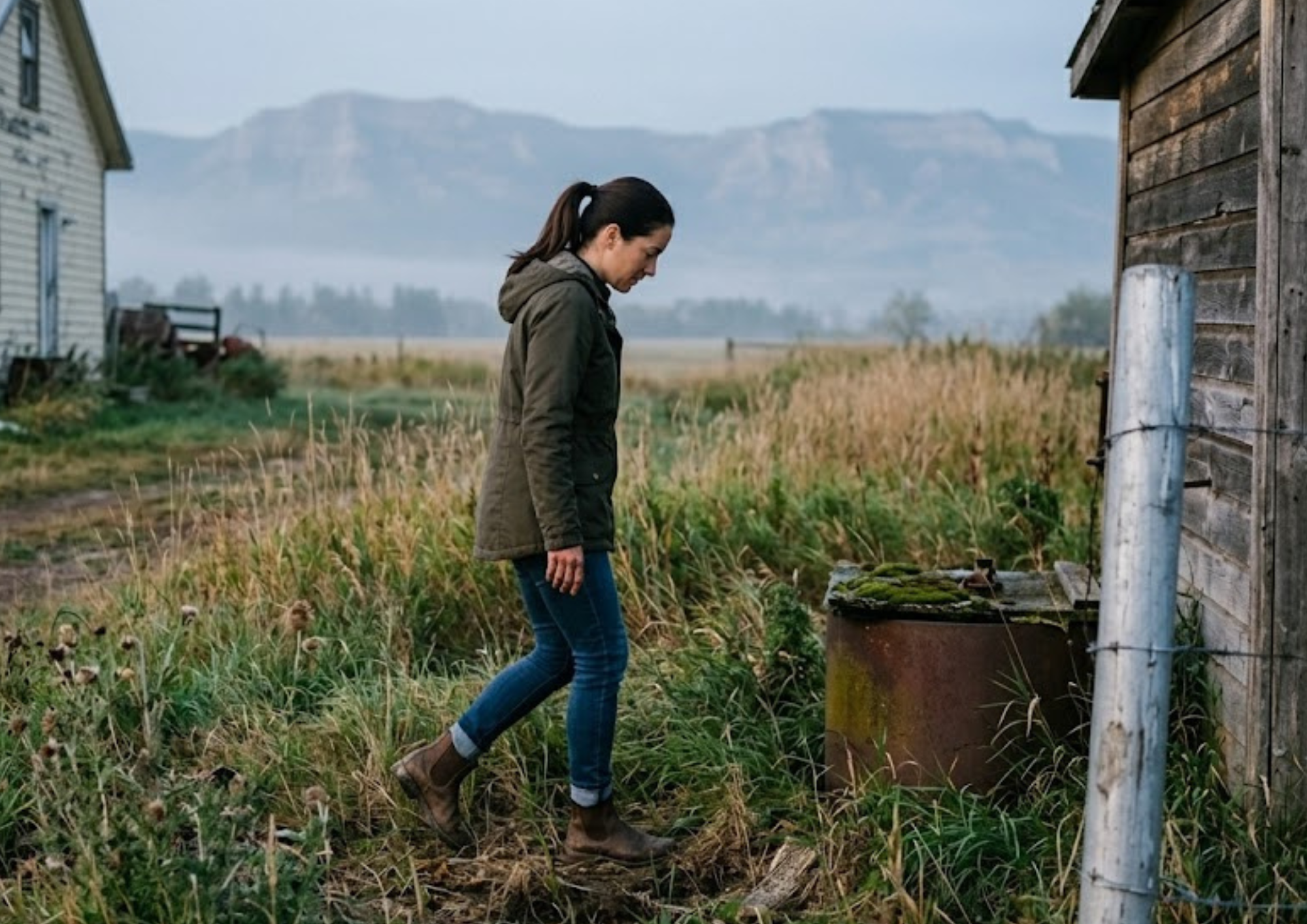
One of the biggest selling points for Clearwater County acreages is proximity to crown land — and it's legitimate. This area has some of the most accessible publicly usable wilderness in Alberta, and many properties border or sit directly adjacent to crown land, meaning your backyard trails connect to hundreds of kilometres of hunting, fishing, quading, and snowmobile country.

Here's the nuance: "near crown land" and "direct crown land access from the property" are not the same sentence. Know exactly what you're getting. A property that's a short drive from a crown land access point is one thing. A property where you literally open a gate and ride is another. Both have value — just different kinds, and the price should reflect which one you're actually buying.

Also worth understanding: crown land access points can change over time with government land use decisions. Not common, but not impossible. Your agent should know the lay of that particular land.


Internet and Connectivity: Ask This Before Anything Else

I'll be blunt about this one because it catches people off guard.

Connectivity in Clearwater County varies enormously by location. Some areas near Rocky Mountain House have fixed wireless options that work reasonably well. More remote parcels are looking at satellite internet — which has improved significantly with newer providers, but still comes with limitations on speed and reliability that affect professional remote work in meaningful ways.

If you are planning to work from this property — and a lot of people buying here are exactly that person — verify the internet situation with actual service providers before you make an offer. Not "the listing says high-speed is available." Call the providers. Check service maps. If possible, talk to the neighbours. The cost of discovering a connectivity gap after possession is considerably higher than a phone call before.


The Water and Septic Conversation — Again

I talk about this with every acreage buyer because it matters every single time.

Wells in this area can be excellent — the geology west of Red Deer generally supports good groundwater — but depth, flow rate, water quality, and age of the system all vary. Get a current water test. Know when the well was last serviced. Understand what a pump replacement or well deepening costs if it ever comes to that.

Septic systems in older Clearwater County properties run the full range from modern engineered systems to arrangements that were installed before anyone was asking too many questions. Ask for documentation. Ask about the last inspection. If it's an older system, budget for an assessment as part of your due diligence — because a septic replacement on an acreage isn't a minor line item.

None of this is meant to alarm you. Most properties in this area are well-maintained and solid. I just want you going in with open eyes.


Road Access in February Is Not the Same as Road Access in August

Clearwater County covers an enormous geographic footprint with varying road conditions across it. A gravel road that's perfectly navigable in summer might be a different conversation in spring breakup or after a heavy winter storm — depending on the municipality's maintenance schedule, whether the road is privately maintained, and how far you are from a paved route.

Ask the specific questions. What's the road classification? Who maintains it? What does winter access look like for that particular stretch? How far is the nearest pavement? These aren't dealbreakers for most buyers — but they shape daily life in ways that are worth understanding before you commit.


Heating, Power, and Backup Systems

Natural gas availability drops off as you move further west and into more rural properties. Propane is common — and manageable — but it's a different cost structure and a different set of considerations than municipal gas. Know which one you're buying into and what the current system looks like.

Backup power is not optional in this part of Alberta. Power outages in rural west-central Alberta happen. A generator with a proper transfer switch is the difference between a minor inconvenience and a genuinely bad few days — especially in winter, especially if you have a well pump that needs power to function. If the property doesn't have a backup system, factor that into your offer.


What the Clearwater County Acreage Market Actually Looks Like

The value here is real. Smaller acreages — two to ten acres with solid homes near Rocky Mountain House — typically come in at price points that would be laughable for comparable rural land closer to Calgary. Larger treed parcels, river access properties, equestrian setups with shops and barns — all of it exists here at a fraction of what the same lifestyle costs elsewhere.

The catch, and it's a manageable one, is that good properties in this market don't sit forever. Clearwater County has been on buyers' radars — that 18% population growth over five years doesn't happen by accident — and the properties worth owning tend to attract genuine interest. The buyers who are prepared, clear on what they want, and working with someone who knows this market are the ones who end up with the right property instead of a story about the one that got away.


One Last Thing

I genuinely enjoy this part of the province. Not because I'm required to say that — because I've spent enough time out here to know what it delivers.

If you're serious about acreage near Rocky Mountain House, let's have a real conversation about what you're looking for and what I'd be watching for on your behalf. No sales pitch. Just someone who knows what to look at and will tell you what he actually sees.

Reach out anytime.

— Marc Miiller

Read

Rocky Mountain House, Alberta — Where "Where Adventure Begins" Is Actually True

Most towns have a tagline. Most of them lie a little.

"Rocky Mountain House — Where Adventure Begins" is the kind of claim that would feel like tourism-brochure fluff if it weren't so stubbornly, demonstrably accurate. This is a town sitting at the literal crossroads of two of Alberta's most storied highways — the Cowboy Trail and the David Thompson Highway — right at the confluence of the Clearwater and North Saskatchewan Rivers, with the Rockies visible on a clear day from the end of your street. The adventure doesn't require a day trip. It's already there when you wake up.

Here's the thing most people from Red Deer, Calgary, or Edmonton don't realize: Rocky Mountain House isn't just a place you drive through on the way to Abraham Lake. For a growing number of people, it's home. And once you understand what that actually means, it's easy to see why.


A Town With Actual History — And It Shows

Rocky has been around since 1799. That's not a typo.

The Hudson's Bay Company and the North West Company both planted fur trade posts here at the turn of the 19th century, and the name has stuck ever since. David Thompson used this place as a launching point to find a passage to the Pacific. The Blackfoot, Cree, and Kootenay peoples traded here for generations. There's a National Historic Site right in town that commemorates all of it — complete with the metal framework outline of the original fortified post.

Why does this matter for a real estate blog? Because history has a way of shaping character. Rocky Mountain House has a frontier identity that's been earned over two centuries, not manufactured by a developer's marketing team. It's a town that knows what it is. And what it is happens to be pretty compelling.


The Outdoor Life Here Isn't a Weekend Pursuit. It's Infrastructure.

Let me paint you a picture of what living here actually looks like.

You're 15 minutes from Crimson Lake Provincial Park — swimming, hiking, camping, and some of the best pike and trout fishing in central Alberta. Abraham Lake, with its otherworldly frozen methane bubbles and jaw-dropping turquoise water, is a couple of hours west along the David Thompson Highway — a drive that's practically a destination in itself. Ram Falls Provincial Park is down the road. Twin Lakes, Nordegg, the Bighorn Backcountry — all of it is in your neighbourhood in any meaningful sense.

In town, you've got over 20 parks, a 5.6-kilometre multipurpose trail network with branching spurs, ball diamonds, tennis courts, a skate park, and a Co-operative Aquatic Centre with a pool. Five annual sports tournaments. A curling rink. A rodeo. Pow wows and frontier re-enactments. A dinner theatre production that people actually attend — on purpose, willingly.

Just outside of town? Hundreds of kilometres of ATV and snowmobile trails on crown land, accessible directly from properties that are a ten-minute drive from the grocery store. That's not a selling point manufactured for a listing description. That's Tuesday.


The Town That's Actually Got What You Need

This is where people are often pleasantly surprised.

Rocky Mountain House has a hospital. It has schools — public, Catholic, and French immersion options. It has a recreation centre, a movie theatre, a farmers' market, a library, locally owned restaurants that would hold their own in any city neighbourhood, and a business community that has actually been growing. The population has tracked an 18% growth rate over five years — among the highest in Alberta — which means this is not a town slowly winding down. It's a town quietly winding up.

Red Deer is 77 kilometres east for everything else. That's about 45 minutes. Close enough for a day trip. Far enough that you almost never need to.


The Value Story

Here's where it gets genuinely interesting if you're a buyer watching urban Alberta markets with one eye twitching.

Clearwater County acreages — the kind with treed lots, mountain views, river proximity, shops, and real breathing room — start in a range that makes Calgary buyers put their coffee down slowly. Smaller acreages of two to ten acres with livable homes near Rocky Mountain House typically come in well under what a comparable rural property costs in markets closer to urban centres. And these aren't consolation-prize properties. These are legitimate, beautiful pieces of land in one of the most scenically spectacular counties in the province.

With 25+ years in civil construction before I got into real estate, I don't just look at listing photos. I look at what's under them. And the Clearwater County market has real value — the kind that comes from solid land, solid bones, and a community that's growing because people genuinely want to be here.


So Who Is Rocky Mountain House For?

Honestly? It's for people who are done pretending that more square footage in a suburb is the answer. It's for families who want their kids to learn what rivers look like and how to bait a hook. It's for remote workers who've finally done the math and realized there's no justification for paying city prices when the office is a laptop on a desk. It's for anyone who's driven past the Rocky Mountain House exit and thought — just for a moment — what if I didn't keep driving?

Pull over. Let's talk.

No pressure, no pitch. Just an honest conversation about what's out there and whether it might be right for you.

— Marc Miiller

Read
Data is supplied by Pillar 9™ MLS® System. Pillar 9™ is the owner of the copyright in its MLS®System. Data is deemed reliable but is not guaranteed accurate by Pillar 9™.
The trademarks MLS®, Multiple Listing Service® and the associated logos are owned by The Canadian Real Estate Association (CREA) and identify the quality of services provided by real estate professionals who are members of CREA. Used under license.